Why Tribal Inclusion Matters in India’s Development Agenda: The Siddi Community and the Power of Inclusive Growth
Why Tribal Inclusion Matters in India’s Development Agenda
India is home to more than 700 tribal communities, collectively known as Adivasis or Scheduled Tribes (STs). They form nearly 8.6% of India’s population, yet their contribution to the nation’s cultural, ecological, and economic life remains largely unrecognized.
Despite constitutional protections and decades of development programs, tribal communities continue to experience systemic exclusion—from education, land ownership, healthcare, and decision-making. Development often happens around them, sometimes on their land, but rarely with them.
As someone working closely with tribal communities—particularly the Siddi people living in forest regions of Karnataka—I have seen one truth repeatedly:
Tribal inclusion is not charity. It is justice. And it is essential for India’s future.
Who Are India’s Tribal Communities?
Tribal communities are India’s original inhabitants, with histories that predate modern states, borders, and institutions. They live in forests, hills, coastal belts, and remote rural regions, maintaining distinct languages, cultures, governance systems, and livelihoods.
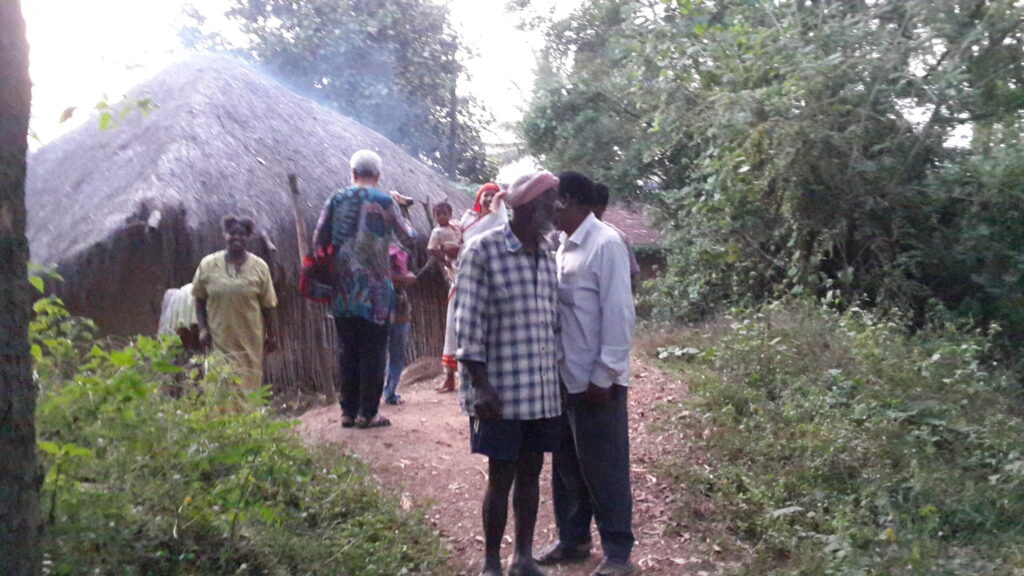
Traditionally, tribal economies are based on:
• Forest produce collection
• Subsistence agriculture
• Animal rearing
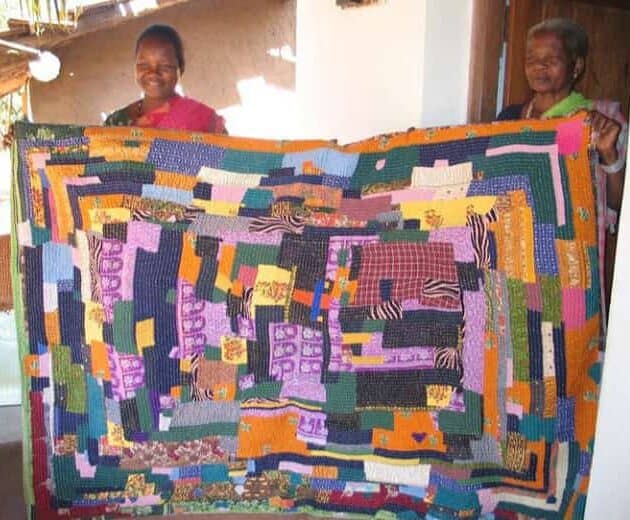
• Handicrafts and indigenous skills
• Their way of life is deeply connected to nature—not as a resource to be extracted, but as a living ecosystem to be respected.
• Yet, modernization has often treated these communities as obstacles to development rather than partners in progress.
The Siddi Community: A Distinct Tribal Identity
The Siddi community, recognised as a Scheduled Tribe in Karnataka, is one of India’s most unique tribal groups. With African ancestry, Siddis have lived in India for centuries, especially in districts like Uttara Kannada, Dharwad, Belagavi, and parts of Goa.
• Cultural Richness
• Distinct music, dance, and oral traditions
• Strong community bonds and collective living
• Deep forest knowledge and survival skills
• Present-Day Challenges
• Despite their rich heritage, Siddis face multiple layers of marginalization:
• Geographic isolation in forest settlements
• Limited access to quality education and healthcare
• Insecure livelihoods due to forest restrictions
• Social invisibility and lack of representation
For decades, development initiatives failed to recognise the specific identity and needs of the Siddi community, lumping them into generic tribal categories without tailored solutions.
Major Taluks in Uttara Kannada Where Siddis Live
The Siddi population is concentrated in the following six taluks: Haliyal, Yellapur, Ankola, Mundgod, Sirsi,Joida
These taluks together contain over 120 villages with Siddi settlements
Key Socio-Economic Characteristics
Most Siddi settlements are located in forest or semi-forest areas of the Western Ghats.
Major characteristics:
• Depend on agriculture and wage labour
• Limited land ownership
• Low education levels
• Settlements often remote with poor infrastructure
• Rich cultural traditions such as Siddi dance and music
Because of these conditions, scholars argue that tribal inclusion and recognition are essential for improving access to development programs.
The Gaps We Must Acknowledge
1. Education Inequality
• Tribal literacy rates remain far below the national average. Among Siddis:
• School dropout rates are high
• Girls’ education is especially vulnerable
• Language barriers and lack of role models persist
• Education systems rarely reflect tribal realities or respect indigenous knowledge.
2. Land and Forest Rights
Many Siddi families live on forest land without legal titles. Despite the Forest Rights Act (FRA), 2006, implementation remains weak:
• Claims are delayed or rejected
• Awareness about rights is limited
• Lack of documentation creates fear and insecurity
• Without land security, long-term growth is impossible.
3. Health and Nutrition
Remote locations mean:
• Poor access to hospitals
• High maternal and child health risks
• Malnutrition and anemia
• Traditional health knowledge exists but is not integrated with public healthcare.
4. Livelihood Vulnerability
Forest restrictions have reduced access to:
• Non-Timber Forest Produce (NTFP)
• Traditional farming practices
• Seasonal income sources
• This forces many Siddis into unstable wage labor or migration.
5. Cultural Erosion
• Modernization without protection leads to:
• Loss of indigenous languages
• Decline in traditional practices
• Identity crisis among youth
• Development that ignores culture ultimately weakens communities.
• Why Inclusion Is Not Charity — It Is Justice
Tribal inclusion is not about sympathy or free aid. It is about:
Recognizing right
Ensuring participation
Creating equal opportunities
Inclusion means:
Tribals deciding what development looks like for them
Respecting traditional systems alongside modern tools
Shifting from “beneficiaries” to co-creators
For Siddis, inclusion restores dignity, confidence, and choice.
Advantages of Tribal Inclusion
1. Stronger Communities
• When tribal communities are included:
• Local leadership emerges
• Women participate in decision-making
• Youth gain purpose and direction
• This reduces dependency and strengthens self-reliance.
2. Sustainable Development
• Tribal lifestyles are inherently:
• Low-carbon
• Resource-efficient
• Environmentally balanced
• Including Siddis in conservation and agro-forestry protects forests while supporting livelihoods.
3. Economic Growth at the Grassroots
• Inclusive tribal enterprises create:
• Local jobs
• Value-added forest products
• Circular village economies
• This reduces migration and strengthens rural India.
4. Social Harmony
• When development is inclusive:
• Conflicts reduce
• Trust in institutions grows
• Communities cooperate with government and NGOs
How tribal inclusion Helps the Siddi Community Grow
Economic Empowerment
• Local processing of forest produce
• SHGs and micro-enterprises
• Fair market access
• Instead of selling raw materials cheaply, Siddis earn from value addition.
• Women’s Leadership
Inclusion places Siddi women at the center:
• SHG leadership
• Savings and credit management
• Enterprise ownership
• This transforms households and entire villages.
Youth Engagement
- Inclusive models create:
- Skill development opportunities
- Cultural pride
- Employment within the community
- Youth no longer see migration as the only future.
Cultural Revival
By valuing identity:
• Traditional knowledge is preserved
• Cultural practices are celebrated
• Community confidence grows
• Development becomes empowering, not erasing.
The Siddi community carries a rich heritage, traditional knowledge, cultural identity and enormous potential. What is needed is greater access to education, skills, sustainable livelihoods, entrepreneurship, technology and platforms where Siddi voices can be heard.
Inclusive growth becomes meaningful when development reaches the last mile and communities are not merely beneficiaries, but active participants in shaping their own future.
The journey may begin with one skill, one opportunity, one enterprise or one young person who dares to dream differently. When these opportunities reach more families, they can create lasting change across an entire community.
The Siddi story is not only a story about a community that needs inclusion. It is a story about what becomes possible when inclusion creates opportunity.
India’s future will be stronger when every community has the opportunity to grow, contribute and thrive—together.