
Ulavi: A Sacred Forest Landscape of Uttara Kannada
Where Faith Meets the Forest
There are some places in Uttara Kannada that people have been travelling to for generations. Ulavi is one of them.
I have heard about Ulavi many times, particularly because of the large number of people who make the journey there for pilgrimage. But when I started looking into the place more closely, I realised that there is much more to Ulavi than the temple.
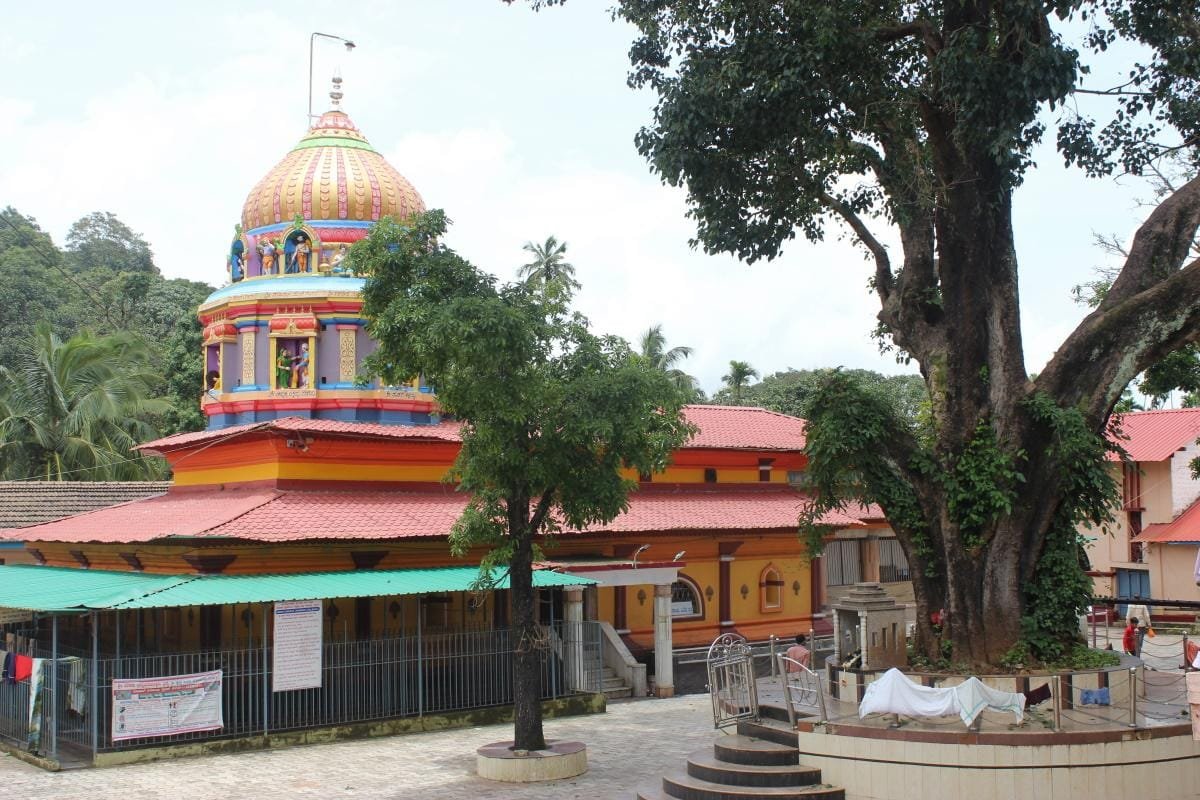
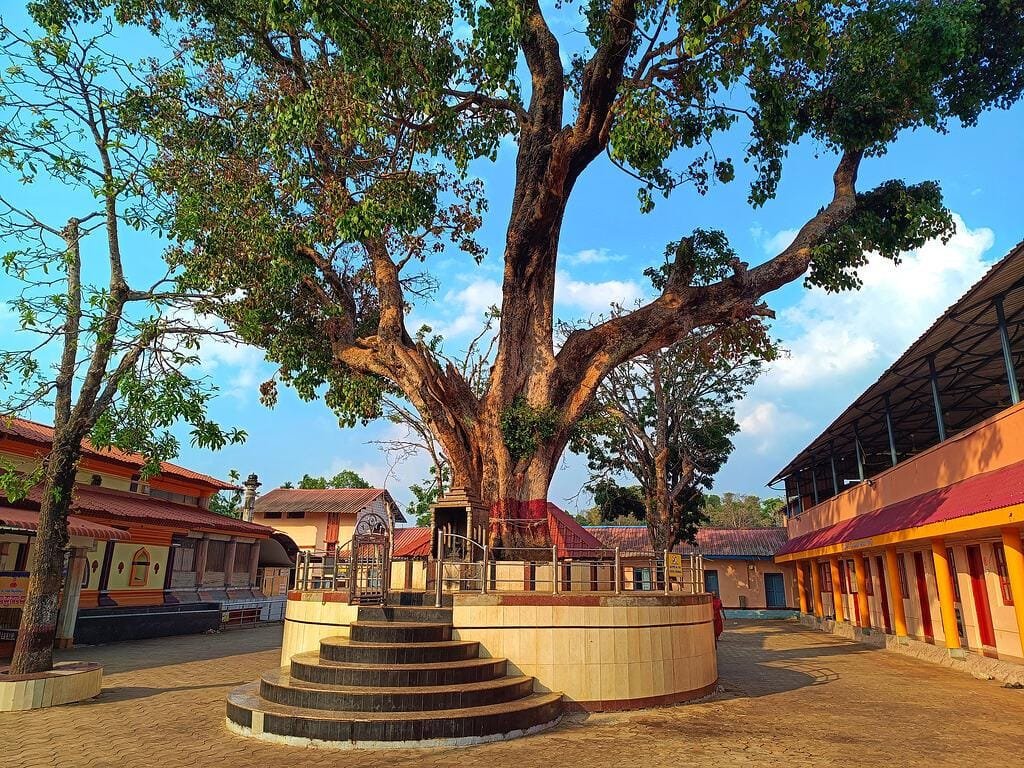
Ulavi is in Joida taluk of Uttara Kannada, surrounded by the forests of the Western Ghats. The Channabasaveshwara Temple is one of the recognized places of worship in the district. The area around Ulavi is also known for its caves and forest landscape.
What interests me most about places like Ulavi is that the destination and the journey are both part of the story. You are travelling through a part of Uttara Kannada where forests still cover much of the landscape, and then you arrive at a place that has its own religious history and traditions.
I wanted to understand that story better — why Ulavi is important, what connects it to Channabasavanna, and what lies beyond the temple.
That is what I am exploring in this article.
Where Is Ulavi?
Located in Joida taluk of Uttara Kannada district in Karnataka.
This is the forested part of the district, close to the Dandeli and Kali River landscape. Uttara Kannada is known for its large forest cover, and the Kali is one of the important rivers flowing through the Joida area.
The road takes you away from the busier parts of the district and into a quieter landscape of forests and hills. For someone who has grown up hearing about Uttara Kannada, this kind of landscape is familiar, but it is also easy to take it for granted.
Ulavi makes you slow down and notice it.The temple is the main reason many people come here, but the forests and caves around Ulavi are also part of what makes the place worth exploring.
Karnataka Tourism lists Ulavi Caves, Akala Gavi, Vibhooti Kanaja, Akka Nagamma Cave and Rudrakshi Mantapa among the attractions in the area.
Why Is Ulavi Important?
For many people, Ulavi is first and foremost a place of pilgrimage. The Channabasaveshwara Temple is the center of the pilgrimage, and devotees come here throughout the year.
The importance of it becomes even more visible during the annual pilgrimage, when large numbers of people make their way to the temple.
But the connection between Ulavi and its visitors is not only about the temple itself. The journey, the forest surroundings and the traditions followed along the way have all become part of the experience.
Ulavi is associated with Channabasavanna, a prominent figure in the Lingayat tradition and a nephew of Basavanna. According to the traditional account, Channabasavanna came to Ulavi towards the later part of his life, and Ulavi became the place where he attained aikya — a spiritual union with the divine.
This is an important part of the religious tradition surrounding Ulavi. It is also why the place has continued to hold such significance for devotees over generations.
For people visiting Ulavi today, the temple is therefore not simply an old place of worship. It represents a story and a tradition that have continued for centuries.
The Story of Channabasavanna and Ulavi
To understand Ulavi, it is important to know about Channabasavanna.
Channabasavanna is remembered as an important figure in the Lingayat movement and is traditionally associated with the group of Sharanas connected with Basavanna’s movement in 12th-century Karnataka.
According to the traditional accounts, after the events at Kalyana, Channabasavanna travelled towards the forests of present-day Uttara Kannada. His journey eventually brought him to Ulavi.
The story of his journey has been passed down through religious tradition, and Ulavi is believed to be the place where he finally attained aikya.
This is one reason the name of Channabasavanna is so closely connected with it even today.
The story is not something we should look at only as a historical event. For devotees, it is part of the spiritual identity of Ulavi and one of the reasons the place continues to attract pilgrims from different parts of Karnataka.
The Ulavi Jatre
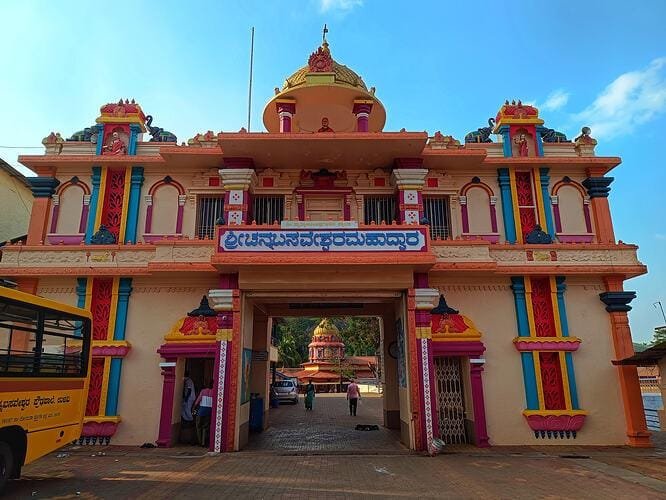
The Jatre is one of the important occasions in the calendar. During this time, pilgrims come from different parts of Karnataka to visit the temple and take part in the celebrations.
The Jatre brings a different energy to Ulavi. The roads become busier, people gather from different places, and the area around the temple becomes much more active than it is during ordinary days.
One tradition associated with the pilgrimage is Dasoha, where food is offered to pilgrims. Serving food and helping people along the pilgrimage route has been an important part of the tradition around Ulavi.
For many visitors, the Jatre is therefore not only about reaching the temple. It is also about the journey, meeting people, sharing food and being part of a tradition that has continued for generations.
Ulavi’s Caves and the Forest Around It
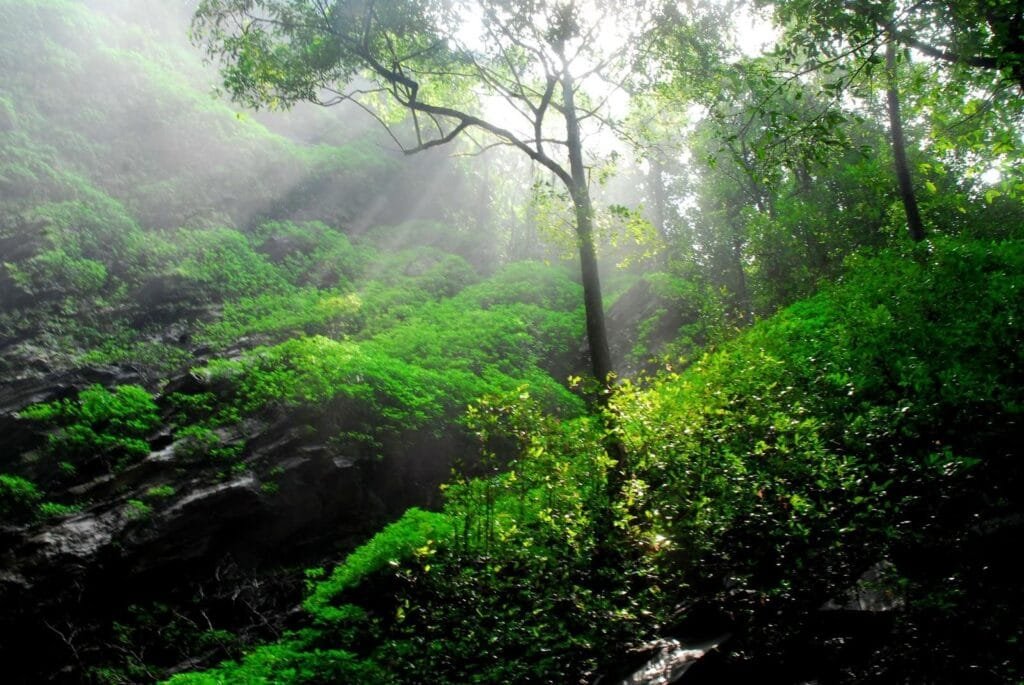
When people talk about Ulavi, the temple usually comes first. But there is more to see around the temple. The area is surrounded by forest, rocks and caves, and these are also part of what makes it special.
There are a number of places around Ulavi that people visit, including Akala Gavi, Akka Nagamma Cave, Vibhooti Kanaja and Rudrakshi Mantapa. These places are connected with different local stories and traditions.
The caves are not something I would describe as a typical tourist attraction. They are part of the landscape and, for many people, they also have religious importance. Some of the stories associated with them have been passed down over generations.
I think this is what makes visiting places like Ulavi different. You don’t have to rush from one attraction to another. The forest, the rocks, the caves and the temple are all part of the same place.
If you are travelling to Ulavi, take some time to look around rather than only visiting the temple and leaving. The surroundings are a big part of the experience.
Ulavi and the Forest Around It
Surrounde by the forests of the Western Ghats, and you notice this as soon as you travel towards the area. The roads pass through green stretches of forest, with hills and rocky areas appearing along the way.
This part of Uttara Kannada has always been closely connected with forests. For local communities, the forest is not just a place to visit. It has been part of everyday life, providing food, forest produce, water and other resources.
The forest around Ulavi is also connected to the larger Dandeli–Joida landscape. The Kali River and its surrounding forests have shaped much of this region, and the wildlife found here is another important part of the landscape.
If you are visiting Ulavi, it is worth remembering that you are travelling through a forest region. The best way to experience it is to slow down, keep the surroundings clean and avoid disturbing the wildlife.
For me, this is one of the things that makes Uttara Kannada special. The forest is not separate from the people and places around it. It is part of their story.
Ulavi Beyond the Temple
For someone visiting Ulavi for the first time, the temple may be the main reason for the trip. But once you are there, it is easy to see that it is more than just a pilgrimage destination.
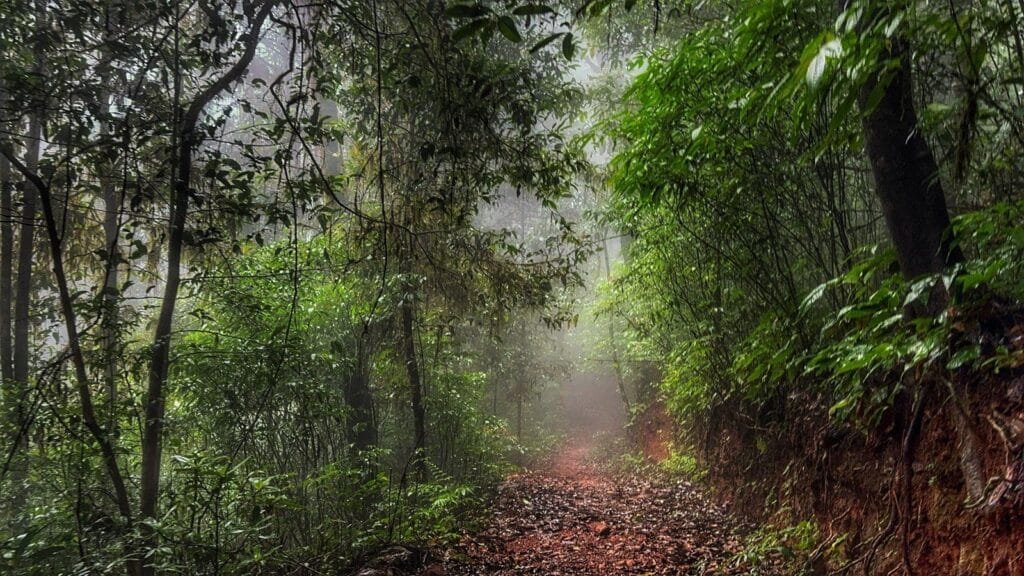
The surrounding forest, caves and rocky landscape give the place a different character. There are also stories and traditions connected with different parts of the area, which have been passed down from one generation to another.
Ulavi is also part of the wider cultural landscape of Uttara Kannada. People from different communities have lived in and around these forests for generations, each with their own traditions and ways of life.
That is something I feel is important to remember when we talk about places like Ulavi. A place cannot always be understood by looking at its most famous attraction. Sometimes the people, the landscape and the stories around it tell us just as much.
For visitors, it can be a pilgrimage, a day trip or simply a chance to see another part of Uttara Kannada. Whatever brings you there, it is worth taking a little time to look beyond the temple.
Visiting Ulavi: What You Should Know
If you are planning a visit to Ulavi, it is worth planning a little before you leave. It is not the kind of place where you should expect all the facilities you might find in a large tourist destination.
The Jatre period can be much busier, with many pilgrims travelling to Ulavi. If you prefer a quieter visit, you may want to consider going outside the main festival days.
Wear comfortable clothes and footwear, especially if you plan to explore some of the caves and places around the temple. Carry drinking water and any personal medicines you may need.
Since it is surrounded by forest, it is also important to be careful with waste. Please don’t leave plastic, food packets or bottles behind. What you carry into the forest should come back with you.
If you are visiting the temple, respect the local customs and dress appropriately. Remember that this is a place of worship and an important pilgrimage destination for many people.
And if you are exploring the surrounding forest or caves, don’t take unnecessary risks. Stay on safe routes and follow any instructions given by local authorities or people responsible for the area.
A little care from visitors can go a long way towards keeping Ulavi clean and peaceful.
How to Reach Ulavi
it is in Joida taluk of Uttara Kannada district, so the journey usually involves travelling through the forested parts of the region.
If you are coming from Dandeli, you can travel towards Joida and then continue towards Ulavi. Dandeli is one of the better-known places in this part of Uttara Kannada, so many visitors combine the two during the same trip.
For people coming from Hubballi, Dharwad, Belagavi or other parts of Karnataka, the route will depend on where you are starting from. It is a good idea to check the road conditions and your route before leaving, particularly during the monsoon.
If you are travelling by public transport, check the current bus services before your journey, as timings and availability can change.
For those coming from farther away, Hubballi Airport is one of the nearest airports, while Londa and Dharwad are among the railway options that may be considered depending on your route.
Once you get closer to Ulavi, the journey itself becomes part of the experience. The surroundings become increasingly forested, and you start seeing a very different side of Uttara Kannada.
Final Thoughts
it is a place where the journey, the forest and the spiritual atmosphere come together. Beyond the temple, the surrounding caves, greenery and quiet landscape make the visit more meaningful.
If you are planning a trip to this part of Uttara Kannada, take your time, respect the natural surroundings and experience the place at your own pace. Sometimes, the quieter destinations are the ones we remember for the longest time.